Why Cybersecurity Frameworks Matter in Retail
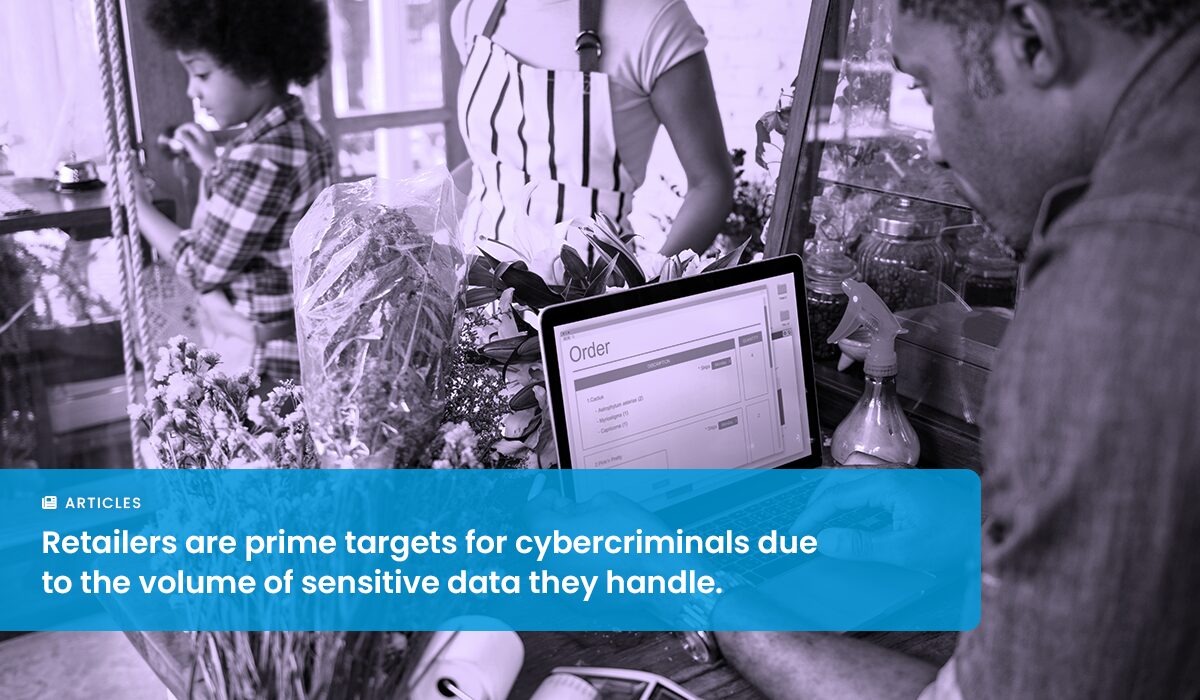
Retailers are at the crossroads of technology, finance, and consumer trust. Every transaction, loyalty program enrollment, and supply chain partnership generates valuable data, and attackers know it. Payment card information, personal customer details, and vendor records are lucrative targets for cybercriminals.
According to IBM’s Cost of a Data Breach Report, the global average cost of a data breach is $4.88 million. For retailers, that number often climbs higher due to the volume of transactions and the reputational fallout that comes with losing customer trust.
That’s where cybersecurity frameworks come in. They provide structured guidance that helps retailers reduce vulnerabilities, implement best practices, and meet compliance obligations. Let’s look at the frameworks that matter most for today’s retail organizations.
PCI DSS: Protecting Payment Transactions
The Payment Card Industry Data Security Standard (PCI DSS) is mandatory for any retailer that processes credit or debit card payments. It covers point-of-sale (POS) terminals, e-commerce checkout systems, and back-end payment infrastructure.
Best practices for retailers include:
- Encrypt payment card data in transit and at rest
- Use tokenization to reduce exposure of card details
- Regularly scan and patch POS and e-commerce systems
- Apply strong access controls to cardholder environments
- Train employees to detect skimming and payment fraud attempts
Proper PCI DSS implementation reduces the risk of card data theft, avoids fines from payment processors, and protects customer confidence at the checkout.
NIST Cybersecurity Framework 2.0: Building Resilient Operations
The NIST Cybersecurity Framework (CSF) is one of the most widely adopted models for managing cyber risk. Its flexibility makes it useful for both global retail chains and smaller specialty shops.
With the release of NIST CSF 2.0, the framework now includes six core functions: Govern, Identify, Protect, Detect, Respond, and Recover.
Best practices for retailers include:
- Govern: Establish policies, accountability, and leadership oversight so cybersecurity is embedded in business decision-making. Assign responsibility for protecting POS systems, supply chain access, and customer data
- Identify: Inventory and prioritize assets, from POS terminals and mobile apps to e-commerce platforms and vendor systems
- Protect: Enforce MFA, segment networks, and limit vendor access
- Detect: Use SIEM tools to spot anomalies in real time
- Respond: Develop playbooks for scenarios like ransomware or payment fraud
- Recover: Test disaster recovery and backup strategies to minimize downtime
By aligning with NIST CSF 2.0, retailers improve collaboration between IT, security, and business leadership. The Govern function ensures cybersecurity accountability extends to executives and boards, reducing blind spots and elevating security as a business priority.
ISO/IEC 27001: The Global Standard
ISO/IEC 27001 is the leading international standard for information security management systems (ISMS). For retailers with global supply chains and international customers, it creates a consistent benchmark for protecting sensitive data.
Best practices for retailers include:
- Conduct regular risk assessments across operations and supply chains
- Standardize security requirements for vendors and partners
- Audit policies and processes to ensure compliance and continuous improvement
- Integrate ISO 27001 certification with other compliance efforts such as PCI DSS
ISO 27001 demonstrates maturity to partners and customers, reduces vulnerabilities across global operations, and ensures sensitive data is systematically protected.
CIS Critical Security Controls: Practical Best Practices
The CIS Critical Security Controls provide retailers with a prioritized, actionable set of steps for improving security posture.
Best practices for retailers include:
- Keep an up-to-date inventory of POS devices, kiosks, and connected systems
- Apply secure configurations and patch regularly
- Deliver phishing awareness and social engineering training
- Enforce strong access controls, centralized logging, and continuous monitoring
CIS Controls help retailers strengthen defenses against common attack vectors such as ransomware, credential theft, and phishing. They deliver measurable results quickly, even for organizations with limited resources.
GDPR & CCPA: Safeguarding Consumer Privacy
The General Data Protection Regulation (GDPR) and the California Consumer Privacy Act (CCPA) are two of the most impactful privacy regulations retailers must consider.
- GDPR: Applies to any retailer processing data of EU citizens, regardless of location
- CCPA: Governs businesses handling the personal data of California residents
Best practices for retailers include:
- Publish transparent privacy policies and consent mechanisms
- Provide options for customers to access, delete, or opt out of data collection
- Limit data collection to what’s necessary for operations
Complying with GDPR and CCPA not only avoids penalties but also demonstrates a privacy-first approach that builds consumer trust.
EU Cybersecurity Laws: DORA, NIS2, and the Cyber Resilience Act
For retailers operating in or serving the EU, new regulations are reshaping expectations:
- DORA (Digital Operational Resilience Act): Ensures financial-related retail services, like store credit or loyalty cards, remain resilient
- NIS2 Directive: Expands obligations for industries, including digital services and supply chain providers
- Cyber Resilience Act (CRA): Focuses on securing IoT and connected devices, like smart POS systems, used in retail environments
Best practices for retailers include:
- Strengthen incident reporting processes to meet EU obligations
- Vet third-party suppliers for cybersecurity readiness
- Secure connected devices and IoT systems under CRA rules
- Prepare compliance teams for upcoming enforcement deadlines
These laws reduce systemic risks across supply chains, improve operational resilience, and help retailers expand confidently in European markets.
Why Cybersecurity Frameworks Go Beyond Compliance
Compliance is important, but it’s not the full story. Adhering to cybersecurity frameworks delivers broader benefits for retailers:
- Prevents breaches and reduces downtime
- Reinforces consumer trust in the brand
- Strengthens supply chain partnerships
- Prepares organizations for sustainable global growth
Retailers that adopt frameworks proactively create resilience, making them better equipped to handle today’s evolving threat landscape.
Conclusion
From protecting cardholder data with PCI DSS to embedding governance with NIST CSF 2.0 and achieving global consistency with ISO 27001, frameworks give retailers the structure they need to thrive securely. Combined with privacy laws and new EU regulations, they create a roadmap for reducing risk and building trust.
Ready to align your retail security strategy with the right frameworks? Request a demo of ArmorPoint’s Managed SOC services today.